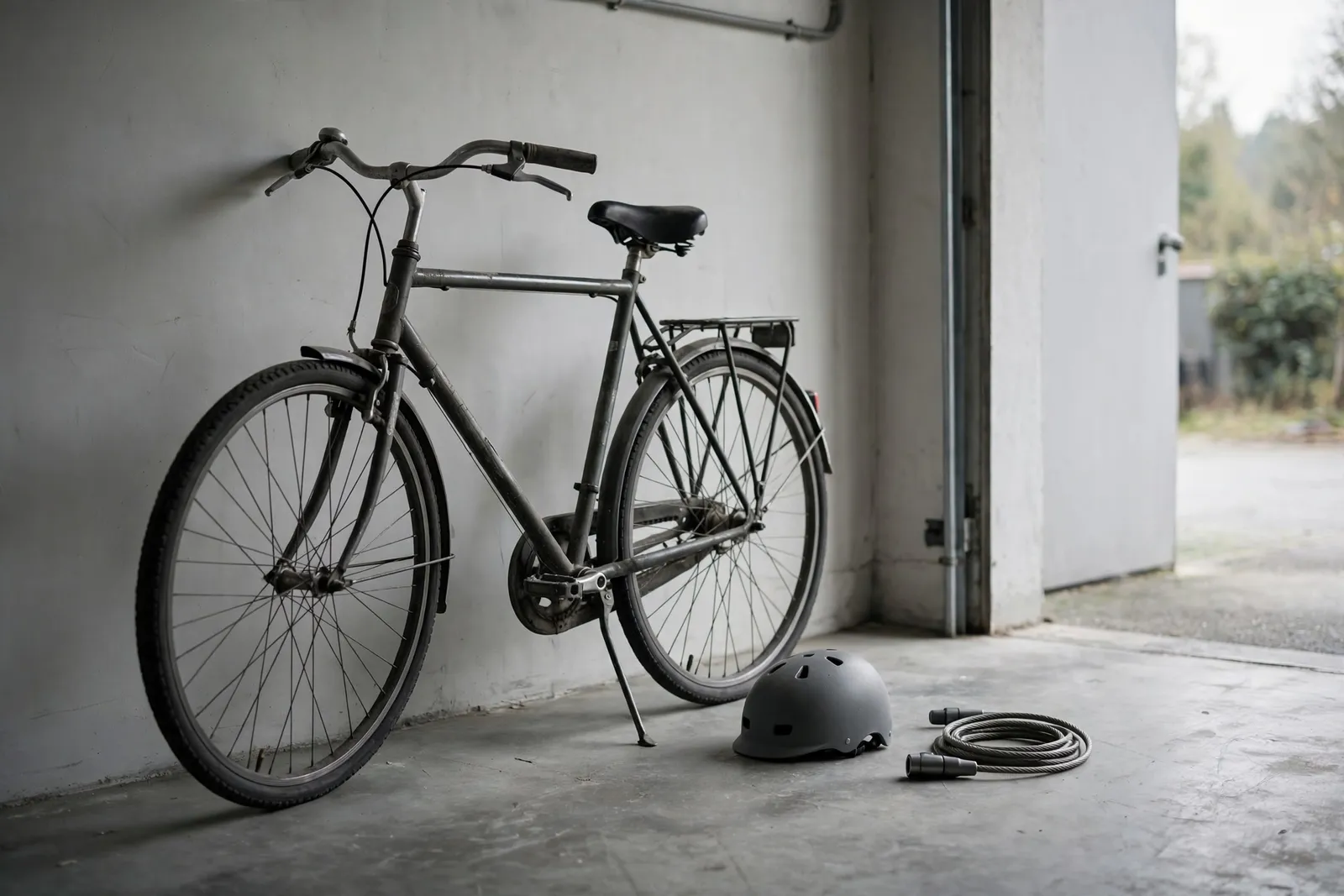
A title that says what, how much, where
The title is the first thing a buyer sees in the results list. It must allow them to decide in two seconds whether the listing concerns them. A successful title contains the type of item, the brand and model, the characteristic that filters searches (size, capacity, year) and the locality. The rest, condition, accessories, history of the item, belongs in the description.
- The type of item and the exact model, without personal abbreviations.
- The characteristic that matters to the buyer: frame size, disk capacity, model year.
- The locality, or at least the region, to avoid unnecessary exchanges about distance.
- A word on condition only if it is meaningful (new, serviced, to be repaired).
- No capitals, no emoji, no superlatives: they lower trust.
Listings that display 'urgent' or 'very good condition' without further detail add nothing. Prefer a neutral, verifiable wording. If the item is sold with a cover, a cable or the invoice, keep those words for the description, not the title.
The description: essentials first, then details
A good description always follows the same order: what you are selling, in what condition, what is wrong, what is included, and how the handover takes place. Buyers skim. If they have to look for information, they move to the next listing.
- A presentation sentence: what it is, how long you have had it, why you are selling it.
- The condition in detail: normal wear, maintenance, repairs carried out.
- The flaws, visible and known, without minimizing them.
- What is included: accessories, packaging, invoice, instructions.
- Handover arrangements: location, availability, accepted payment.
Flaws stated upfront do not scare off serious buyers, they filter out the others. A described scratch avoids an appointment, a trip and a last-minute negotiation. Conversely, a flaw discovered at handover makes the sale fall through, and sometimes harms your reputation.
Write in the first person and stay specific: 'serviced in 2023, chain and tires changed' informs better than 'like new'. Avoid copying entire technical sheets: three useful lines are better than a page nobody reads.
Photos that answer before questions
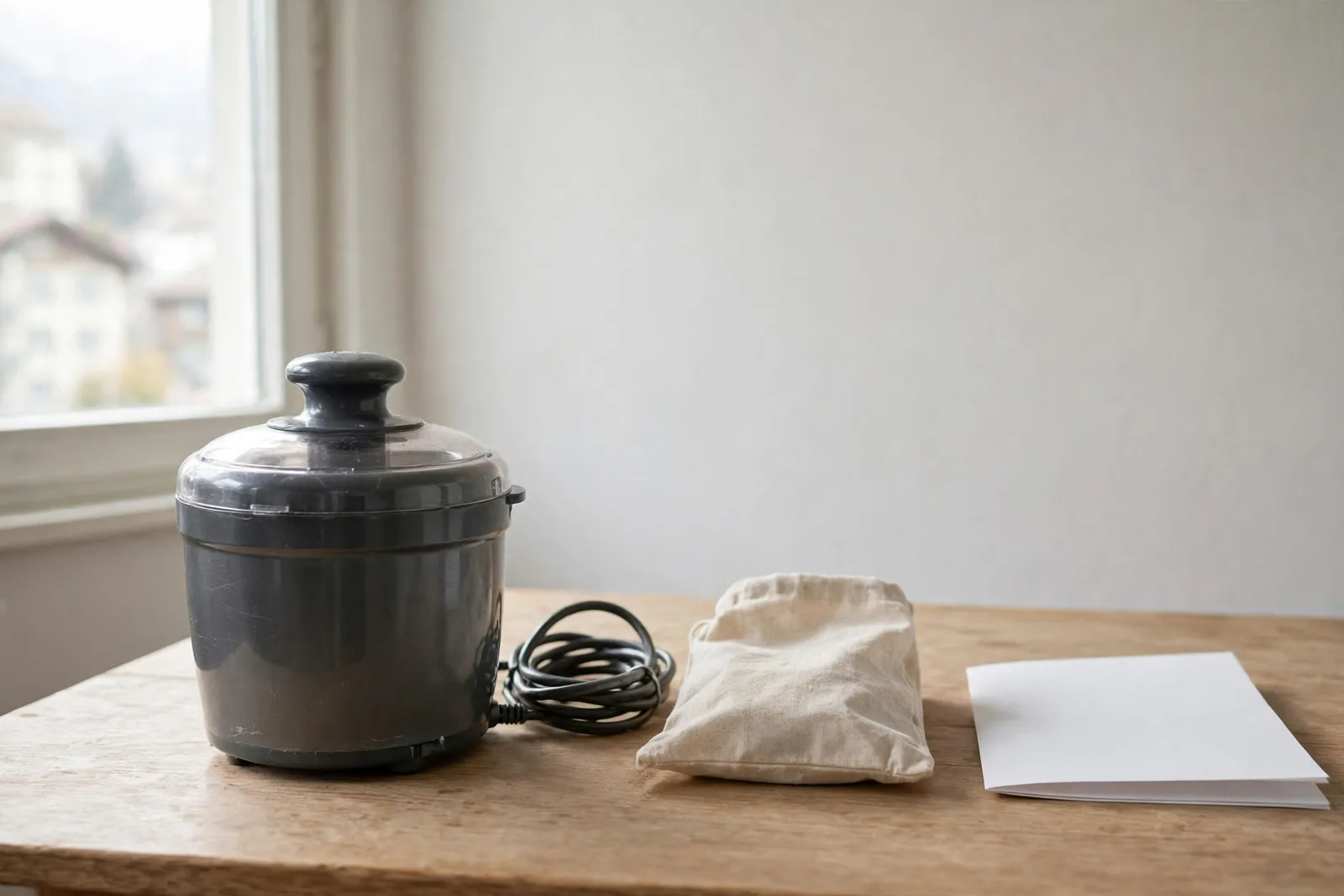
Six to eight photos are enough. Take them in daylight, against a simple background, with the phone placed down or held with both hands. Clean the item first, remove anything that is not for sale, avoid flash and dark rooms.
- An overall view: the whole item, from the front.
- The sides and back, or the inside if it is furniture or a bag.
- The details that matter: closures, connectors, soles, corners.
- The flaws, in close-up and sharp.
- The accessories and the invoice, if they are part of the sale.
Do not retouch the colors and never use manufacturer images. A photo taken from elsewhere is quickly spotted and destroys all credibility. If the item is still under warranty, photograph the invoice while masking sensitive details, address and bank details.
Set a price and plan for negotiation
The price is built with comparisons, not intuition. Look for the same item, in the same condition, in your region, on okazio and elsewhere. Look at what has sold, not only what is listed: a listing price is not a price paid.
- Note three to five comparable listings, with their condition and date.
- Reduce the price if your item is older or more worn.
- Add the value of accessories and remaining warranty.
- Set a round price in CHF and keep a reasonable margin for negotiation.
- Review after a few days: if nobody clicks, the price or the photos are the issue.
State the amount in CHF, clearly, and specify whether it is firm or whether discussion is possible. Do not compare your price with the new price if the item is several years old: that annoys informed buyers. Never ask for a deposit at a distance, handover in person protects both parties.

Information to give, information to keep to yourself
Certain details speed up the sale: year of purchase, dimensions, capacity, exact version, presence of the invoice or warranty receipt, original accessories, reason for the sale if it is simple. Give them once, cleanly, rather than repeating them across messages.
- Your exact address: give the town or neighborhood, not the number.
- Number plates and serial numbers visible in the photos.
- Copies of identity documents and invoices with bank details.
- Codes, passwords and account information.
Publish on okazio, the place where you post your listing and search for one from another private individual. The site handles neither payment, nor delivery, nor warranty, nor insurance: the agreement is directly between you and the buyer, and you set the handover rules.
Proofread, publish, then meet the buyer
Proofread one last time: does the title announce the right item, does the description answer the questions you would ask, do the photos show the flaws, is the price justified? Publish in the right category, with careful spelling. Once the item is sold, remove the listing so as not to waste other people's time.
- Set the appointment in a public and busy place, or at your home with another person present.
- Have the item shown and working before any price discussion.
- Repeat the flaws out loud, as in the listing.
- Collect payment at handover, in cash or by TWINT, once the item is accepted.
- Do not accept a deposit, remote payment, or transfer before meeting the buyer.
- TWINT never asks for a code received by SMS to receive money: anyone who asks you for one is trying to trick you.
An honest listing does not lose sales, it saves time. Buyers who travel are better informed, negotiation focuses on the essentials and handover ends without unpleasant surprises. That is the best calculation for selling quickly, at the right price, without spending your evenings on it.
Sources
Prepared with AI tools, checked and proofread by the okazio editorial team.
An unfamiliar word in a listing?
Find its definition, an example and what to check in our glossary.
Explore the glossary