What branded clothing is really worth second-hand
Okazio editorial team
In brief
Second-hand branded clothing sells, but rarely at the price the seller hopes for. What decides is demand for that particular piece — not the price paid, nor the logo.
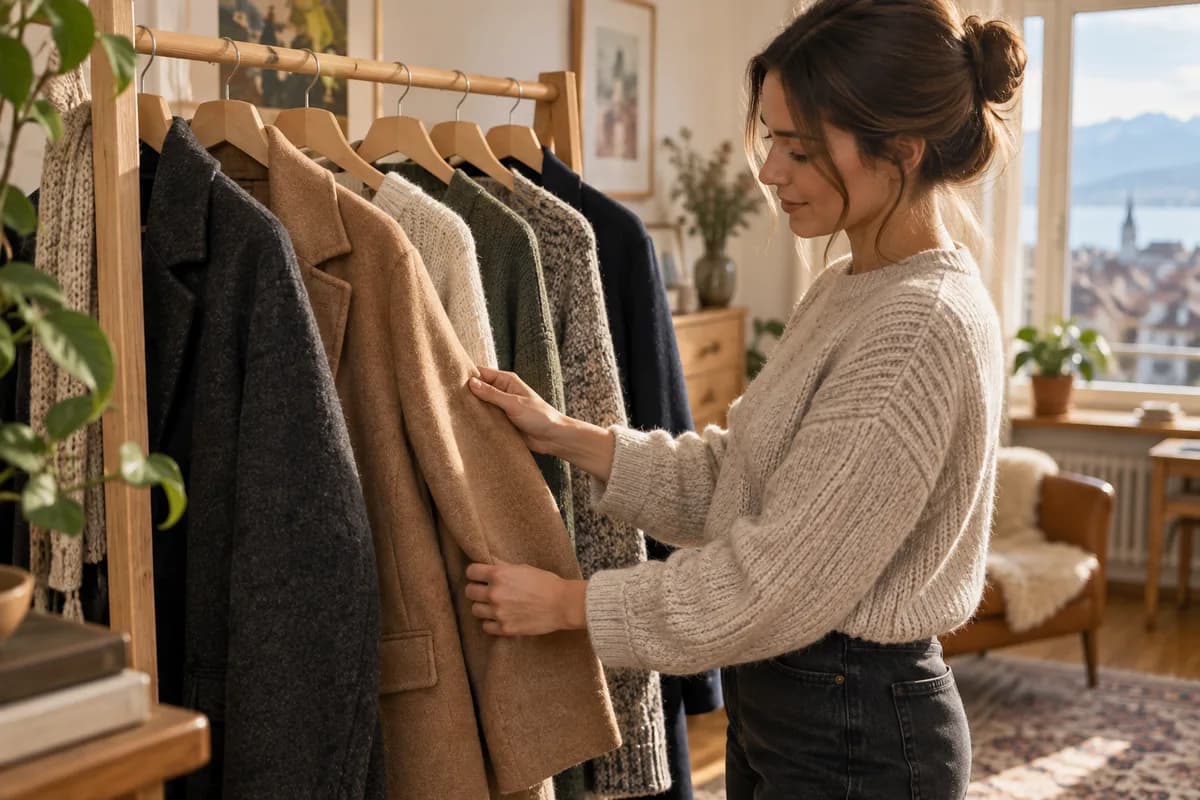
Two categories behave very differently.
The pieces that hold their value
- Well-made coats and jackets, especially in wool or leather. People buy them second-hand without hesitation, and they last a long time.
- Recognisable leather handbags, provided you can prove they are authentic.
- Shoes worn only a little, in common sizes.
- Collaboration or limited-edition pieces, which have a market of their own.
The pieces whose value collapses
- Seasonal ready-to-wear: an item that was discounted new is worth little second-hand.
- Logo T-shirts and sweatshirts, unless the piece is sought after.
- Denim, of which there is a huge second-hand supply.
- Anything pilled, stretched or faded: condition beats the brand, always.
Authenticity, the real issue
With an expensive piece, what the buyer is mainly buying is certainty. What provides it:
- the purchase invoice or the till receipt, even if only partly legible;
- the inside labels photographed close up — composition, size, country of manufacture;
- the serial number or production code, when the brand uses one;
- the dust bag, the box, the authenticity card.
Without any of that, an expensive piece sells at the price of an uncertain one. That is not unfair: it is the risk the buyer is taking.
And one thing to know: selling a counterfeit is prohibited, even if you present it as one. A listing that describes a copy is removed.
The size, in the title
Clothes are searched for by size above all. Put it in the title, and specify the fit if it is unusual — “size M, loose fit”. Add flat measurements for structured pieces: shoulders, chest, length. Many buyers trust those alone.
Photographing clothing
- In daylight, on a hanger or worn, never in a heap on a bed.
- A neutral background.
- A close-up of the composition label.
- A close-up of each flaw — a snag mentioned in the listing doesn't get a sale cancelled; a snag discovered does.
Setting the price
Look at what is for sale now for the same piece, in the same size and the same condition. Not the new price, not what you paid: today's price, on the second-hand market. It is the only reference that decides whether your listing gets a message or not.
Sources and method
Editorial guidance: prices, proportions and depreciation figures are not based on a statistical survey of Okazio sales. Compare the exact model, condition and similar listings; an asking price does not establish the sale price.