Spotting a fake listing
Okazio editorial team
In brief
Scams between private individuals are not endlessly varied. They reuse a dozen or so manoeuvres, always the same ones, and each one can be recognised by a specific request. Learning to name them is enough to avoid them.
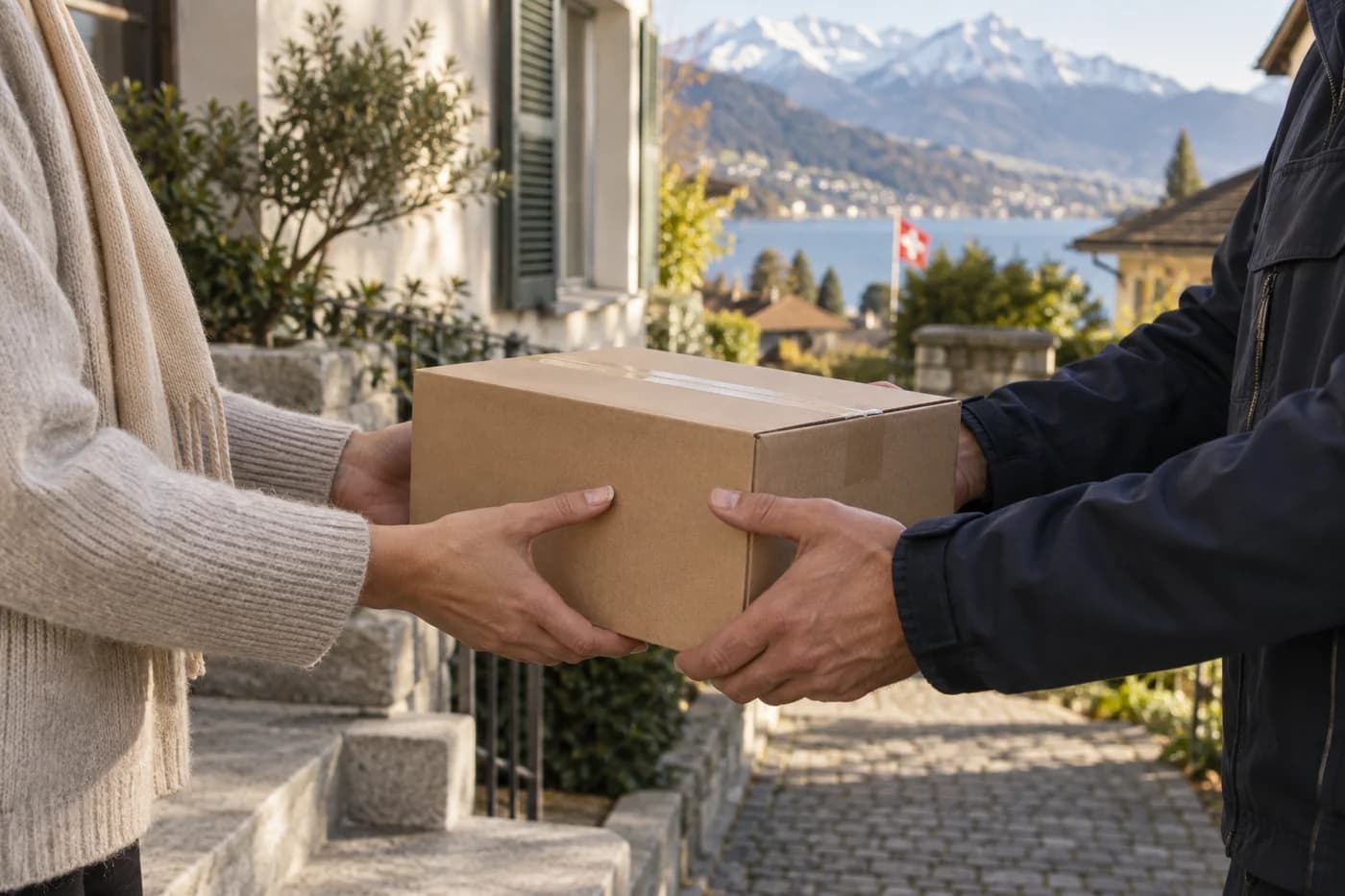
The general principle fits in one sentence: nothing should leave your account before the item is in your hands.
The manoeuvres, one by one
You are asked to leave the site
“Write to me directly on WhatsApp”, “here's my number, call me”. That is not a scam in itself — plenty of people swap numbers in good faith. But it is the first step of almost all of them: once you leave the site's messaging, nothing is on record any more, and nobody can help you afterwards.
You are asked for a deposit
“Pay a deposit and I'll keep it for you.” You haven't seen the item, you don't know the seller, and the money is gone. An item is not reserved in exchange for a payment to a stranger.
You are asked for a code received by SMS
TWINT never asks for a code by message. Nor does your bank. A code received by SMS is used to approve a transaction that someone else is in the middle of starting: giving it away means authorising it.
You are offered payment off the platform
A payment link sent by message, a service you have never heard of, “buyer protection” offered by the seller themselves. Real protection is not offered by message.
You are overpaid, and asked to refund the difference
“My assistant sent 850 instead of 450, could you pay me back 400?” The first payment will be cancelled, the second will not. This is the overpayment manoeuvre, and it is an old one.
A courier is brought in
A fake message from a courier, a shipping invoice to pay upfront, tracking that doesn't exist. Always check a tracking number on the courier's website, never from the link you received.
You are sent a link
A link to a page that looks like your bank, a payment service, or the site itself. The page is a copy. Never enter your login details from a link received by message.
You are asked for your login details
No legitimate service asks for your password. None. A seller, a buyer, a “support team”: nobody.
You are asked for an identity document
“Send a photo of your ID card, so we can trust each other.” A copy of an identity document is used to open accounts in your name. It is never necessary between private individuals.
You are asked for a gift card
Payment in gift cards is irreversible and untraceable. That is why they ask for it.
The item is too good, and far away
An expensive item, well below the market price, and the seller is abroad, reachable only by message, ready to ship. The three together form a pattern.
What should alert you, whatever the scenario
- Urgency. “You need to decide today”, “I have other buyers”.
- A refusal to meet, for an item that is local.
- A text that sounds translated, or copied from another listing.
- Photos that can be found elsewhere. A reverse image search takes ten seconds.
What okazio does
A banner appears on messages that use one of these manoeuvres, and it names the manoeuvre rather than saying “be careful”. A warning that explains nothing protects against nothing.
This banner does not replace your judgement, and it does not see everything. The rule that really protects you is still the first one: the item first, the money second.
Sources and method
Additional sources consulted on September 16, 2026.