Checking that an item isn't stolen
Okazio editorial team
In brief
Buying a stolen item, even in good faith, ends badly: the item is returned to its owner, and you get nothing back. Checking comes down to two steps — asking for a number, and asking for a receipt.
The principle
Every item of value carries a unique identifier, and its rightful owner can provide it without hesitating. A seller who doesn't know the serial number of what they are selling is not its original owner — which isn't illegal, but calls for an explanation.
Ask for it before you travel. That also saves you a pointless journey.
Where to find the number
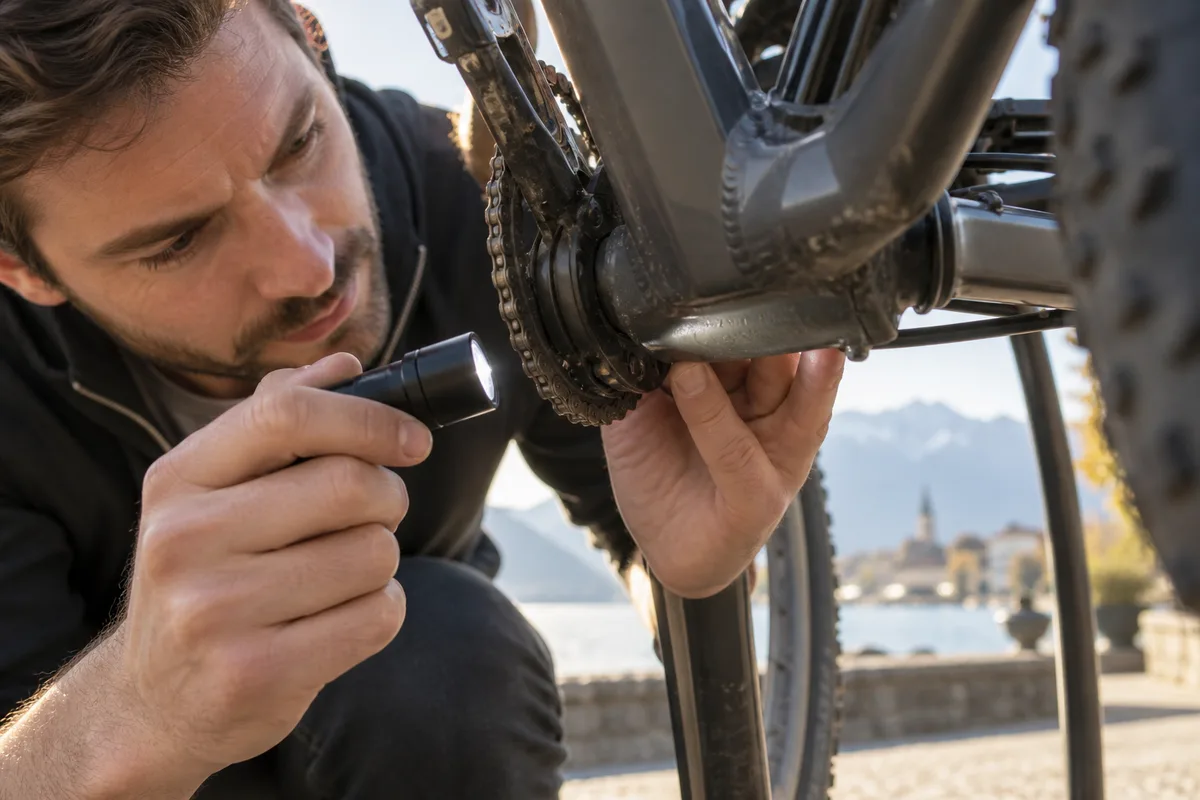
A bike — the frame number is engraved, usually under the bottom bracket, sometimes on the derailleur hanger or the head tube.
A phone — the IMEI appears when you dial *#06#, and it is also shown in the settings. On an iPhone, also check that the seller's iCloud account has really been removed: otherwise the device is unusable, stolen or not.
A scooter, a motorbike, a car — the chassis number is stamped on the vehicle and printed on the vehicle registration document (Fahrzeugausweis / permis de circulation). Compare the two, on the spot.
A computer, a camera, a power tool — the serial number is on a label, underneath the device or in the battery compartment.
What else to ask for
- The purchase receipt, even if it is old, even if it is partial.
- How long the seller has had the item, and why they are selling it.
- For an expensive item, an identity document — it is normal to check that the person is the one named on the receipt.
These three questions are routine between honest private individuals. It is the reaction to them that tells you something, more than the answers.
The signs to take together
None is enough on its own. Three together are enough to walk away.
- A price well below the market.
- No receipt and no serial number.
- A seller in a hurry, who refuses to meet in a public place.
- An item still in its packaging, with several of them for sale.
- Serial number labels torn off or sanded away.
- A device that is locked, or whose account has not been removed.
If you find out afterwards
Don't resell it. An item you know to be stolen can no longer be passed on — and reselling it puts you in the wrong, this time with no possible claim to good faith.
Gather what you have: the listing, the conversation, the proof of payment, what you know about the seller. Report the listing and the account, and contact the cantonal police.
If you are selling
Make checking easy: give the serial number in the listing or in your first message, and offer the receipt. It is the best selling point there is for an expensive item, and it costs nothing.